Respecting animals, what does that mean in practice?
Dictionaries describe "to respect" in different ways. According to the Longman Dictionary of Contemporary English it means, among other things, "to be careful not to do anything against someone's wishes". Other dictionaries speak of taking someone seriously, accepting someone as they are and treating someone or something with consideration.
It sounds so easy: to accept someone as they are. For animals, many people and some laws add that they have an intrinsic value. But what does it mean to "respect the intrinsic value of the animal"? And how can we know what an animal wishes?
Ask 100 people if they respect animals and they will all say yes. Ask the same people for a definition of respect and they will not get much further than the descriptions above. But if you present them with 100 situations in which animals are used in different ways, there will be little agreement on whether the people involved show respect.
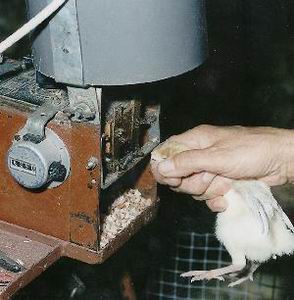
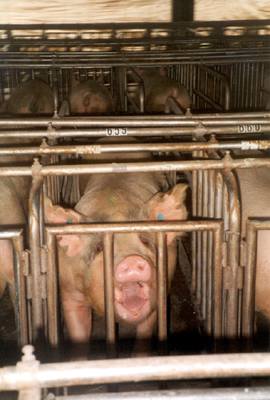
For example: when the beaks of hens are trimmed to reduce the damage done by aggressive pecking, is that a lack of respect for the hen? It is an infringement of the animal's physical integrity, but how serious is it? Or when the tails of piglets are cut off to prevent the pigs from biting each other's tails later on, is that a lack of respect for the young animal?
The word respect is easily used, but for many people it is no guideline for reaching the same decisions in how we treat animals. Hence the proposal to define respecting as "keeping the middle ground between being involved and keeping enough distance". As in etiquette, it is about being interested in the other without prying into everything.
Respect has everything to do with observing the limits of your own freedom and that of others. Give others, animals included, enough space to be themselves. For farm animals this means: give them an environment in which they can behave naturally. Give an animal the space to roam in a meadow and there is no need to cut off beaks or tails. |