Avoidable or to be avoided?
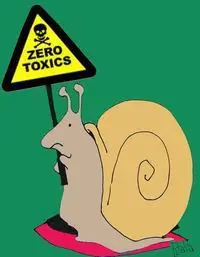 Most problematic situations in dealing with animals belong to the category "avoidable". It is up to the individual to choose to what extent he or she goes along. Most problematic situations in dealing with animals belong to the category "avoidable". It is up to the individual to choose to what extent he or she goes along.
When we take freedom as a fundamental right for animals, the category "avoidable" really becomes "to be avoided". With this subtle difference we want to indicate that it is better to avoid these things, but that given the situation the principle that animals are entitled to freedom still applies. For example: if you are of the opinion that you may eat animals (which is avoidable and unnecessary), you are nevertheless morally obliged to choose those animals that have had as much opportunity as possible to show their natural behaviour during their whole lives before slaughter.
The animals concerned are fish, reptiles, amphibians, birds and mammals. In principle animal rights apply to all animals, but we do not want to make a mountain out of a molehill.
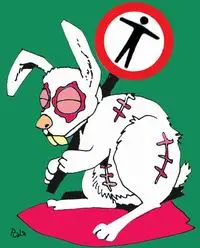 Basing animal rights on freedom has a number of consequences for farming, sport and the way we keep pets: these need to be curtailed. Basing animal rights on freedom has a number of consequences for farming, sport and the way we keep pets: these need to be curtailed.
* We would most like to see controlled hunting become superfluous by encouraging the natural balance, possibly by (re)introducing natural predators. Then there is no need to discuss whether controlled hunting should be prohibited.
** Keeping pets that have not been over-bred and are able to behave naturally. In general one could say: "if the animal stays with a human in complete freedom, there is nothing wrong with keeping it as a pet".
*** There are primary and secondary responsibilities for animal suffering. Wearing (fake) fur is something different (more secondary) from breeding fur animals (more primary). A ban on wearing fur goes too far, because out of sheer contrariness and protest against the restriction of their freedom it may tempt people to wear fur after all. Something similar applies to obliging people to eat ecologically produced meat. For these matters it is better to exert social pressure. |

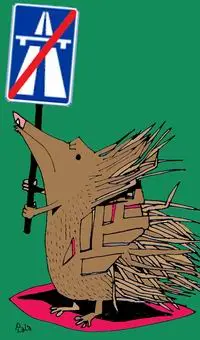 We deliberately give no definition of freedom. Freedom is a